English football is preparing for one of its most dramatic rule changes in recent years — and it is already dividing opinion across the country. From the top flight to grassroots divisions, every tier under the governance of The Football Association will be impacted starting next season.
The aim is simple: reduce time-wasting and increase actual ball-in-play minutes during matches. But the method? That is where the controversy begins.
10-Second Substitution Rule
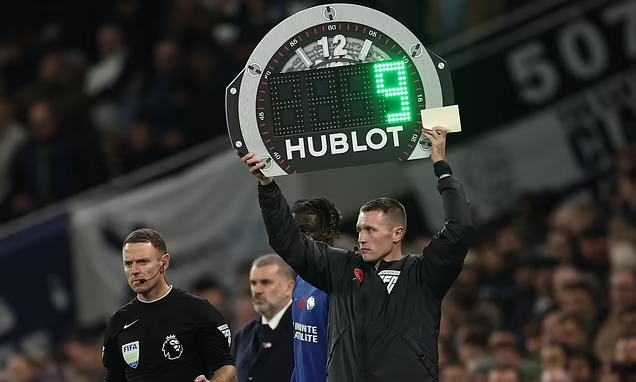
Under the new regulation, once the substitution board is displayed, the player being replaced will have just 10 seconds to leave the pitch.
If the player fails to exit within that time frame, he must still leave the field — however, his replacement will not be allowed to enter immediately. Instead, the incoming substitute will be forced to wait until the first stoppage after at least one minute has passed following the restart of play.
In simple terms, teams could temporarily find themselves playing with ten men because of a slow walk off the pitch.
Supporters of the rule argue that it directly targets deliberate time-wasting, particularly in the closing stages of tight matches. Critics, however, believe it introduces unnecessary punishment and could unfairly affect teams when genuine injuries are involved.
Throw-Ins and Corner Kicks Now Under the Stopwatch
The crackdown does not stop there. Referees will also be empowered to reverse decisions if they believe a player is taking too long to restart play.
If a throw-in is delayed beyond what the referee considers reasonable, possession could immediately be handed to the opposition.
Similarly, if a corner kick is deemed excessively delayed, the attacking team could lose the opportunity altogether — with the defending side awarded a goal kick instead.

This is a significant escalation in enforcement. While referees already caution players for delaying restarts, reversing decisions mid-match represents a far more severe consequence.
Why the Change?
Football authorities have become increasingly concerned about the amount of time the ball is out of play during a standard 90-minute match. Despite lengthy added time announcements in competitions such as the Premier League, critics argue that stoppages, slow substitutions, and deliberate delays still disrupt the flow of the game.
Data in recent seasons has shown that actual ball-in-play time can fall significantly below the full 90 minutes, prompting officials to seek stricter deterrents.
The new measures are designed to send a clear message: tactical time-wasting will come at a heavy cost.
Fans and Managers React
Reaction has been immediate and intense. Many supporters welcome the move, claiming it will inject more intensity and fairness into matches. Others fear it hands too much subjective power to referees, potentially leading to inconsistent decisions.
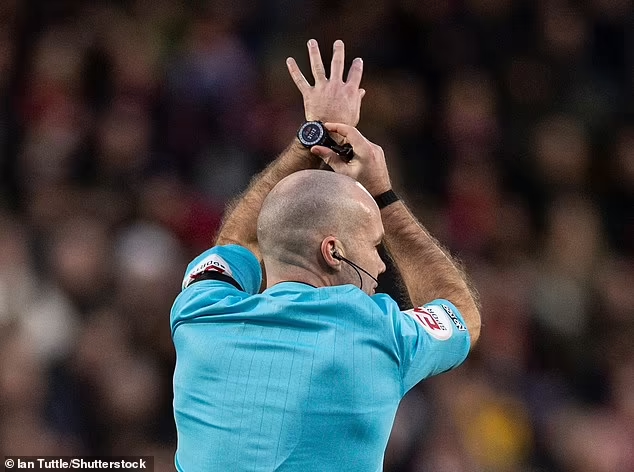
Managers are also expected to adapt quickly. Tactical substitutions in the dying minutes — often used to disrupt momentum — may now carry serious risk. Players will have to sprint off rather than stroll, and set-piece takers will need to act swiftly or risk conceding possession.
One thing is certain: this is not a minor adjustment. It represents a structural shift in how time management is handled across English football.
Whether it improves the spectacle or fuels further debate remains to be seen. But as next season approaches, clubs at every level are already preparing for a faster, stricter, and far less forgiving game.
Leave a Reply