Mr Bethel,
“It Changes the Strategy” – Mark Robins Confronts Major Coaching Dilemma After Shock Exit Rocks the Camp
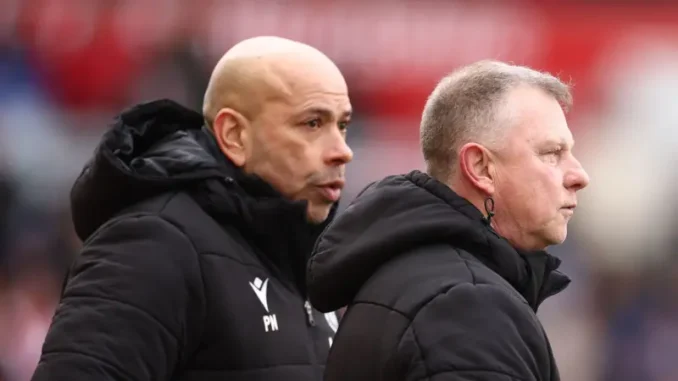
The sudden departure of Paul Nevin has sent shockwaves through the heart of Stoke City at a critical stage of the season, leaving manager Mark Robins facing what many are calling a defining coaching dilemma.
Nevin, who had recently committed his future to the club by signing a new contract, walked away from his role as assistant manager in an unexpected mid-season exit. His departure comes with the Potters still firmly within reach of the Championship play-off positions, making the timing all the more startling.
Former academy director Gareth Owen did not hide his surprise when speaking about the development. According to Owen, Nevin’s role was not just supportive but central to the team’s identity on the pitch.
“It’ll mean a change of strategy, unless there’s a like-for-like replacement coming in, which we’re not privy to,” Owen explained.
Nevin was primarily responsible for overseeing the in-possession side of the game — a crucial tactical component. From building patterns of play to structuring attacking movements, he played a major role in shaping how Stoke controlled matches. His daily input on the training ground helped instill consistency in how the squad approached possession and progression.
“Nev’s predominantly responsible for the in-possession coaching. The day-to-day responsibility of coaching those patterns was Nevs’ responsibility,” Owen added.
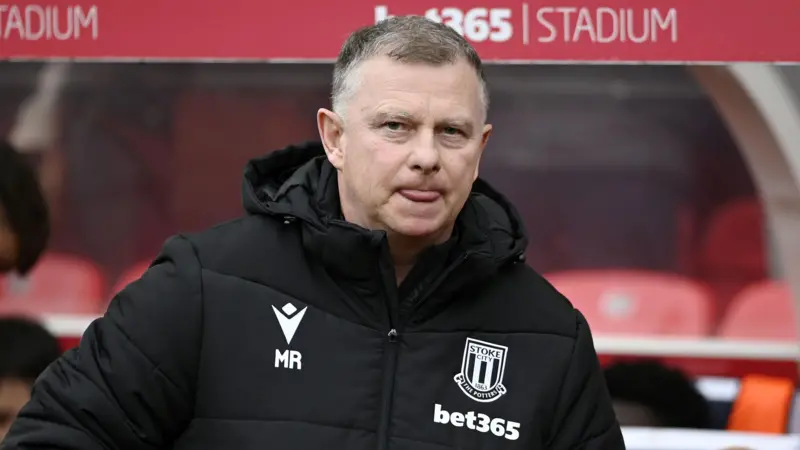
That responsibility now hangs in uncertainty. Questions are already being asked about who will step in to fill the tactical gap. Will it be James Robery? Could club legend Ryan Shawcross take on more influence within the coaching structure? For now, there is no clear answer.
What is certain, however, is that Robins must act swiftly to maintain momentum. The players have spent months adapting to a specific tactical rhythm. Altering that rhythm at this stage of the campaign could either spark a fresh surge or disrupt the delicate balance built over time.
Owen, who understands the internal workings at Clayton Wood better than most, warned that such transitions are rarely seamless.
“As players, you form relationships,” he said. “If you are being coached on a day-to-day basis and you get used to one way of working, you build up that consistency over the course of the season.”
“To have that taken away from you can sort of set you back now and again. Some will be happy, some will not be so happy, but time will tell whether it is the right thing to do.”
This is where the real challenge lies for Robins. Coaching changes are not simply about replacing a name on the staff list. They affect trust, communication, and tactical clarity. Even subtle shifts in messaging can alter confidence levels within the squad.
With only a short stretch of the season remaining and promotion ambitions still alive, Stoke cannot afford prolonged instability. The margin for error is thin. A slight dip in performance could derail their play-off push, while a smooth transition could strengthen their resolve.
“It is just the timing of it that is certainly a surprise,” Owen concluded. “Not too long after signing previous contracts and with only a short spell of the season to go. We’re in a good position, still challenging. It will take a bit of adjusting.”
For Robins, this moment may define not just the remainder of the season but his authority within the dressing room. Adapt quickly, steady the squad, and maintain tactical clarity — and Stoke could emerge stronger. Fail to manage the transition, and a promising campaign could unravel at the worst possible time.
The next few weeks will reveal whether this shock exit becomes a setback — or the catalyst for a renewed push toward Championship glory.
Leave a Reply